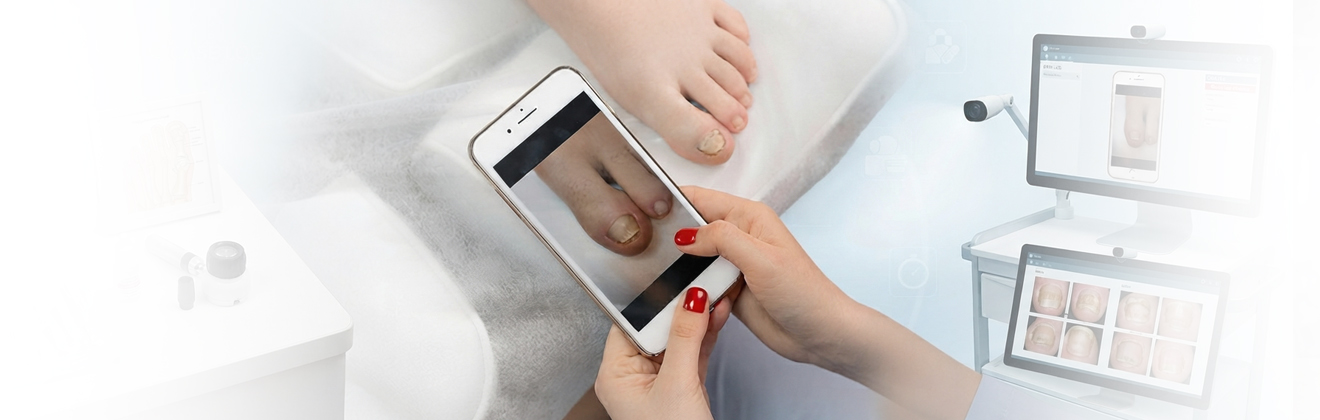
What is an ingrown toenail?
- Most often affects
- The big toe
- Common causes
- Cutting nails too short, tight shoes
- Mild cases
- Often improve with soaks and care
- Infected or recurring
- May need treatment or a procedure
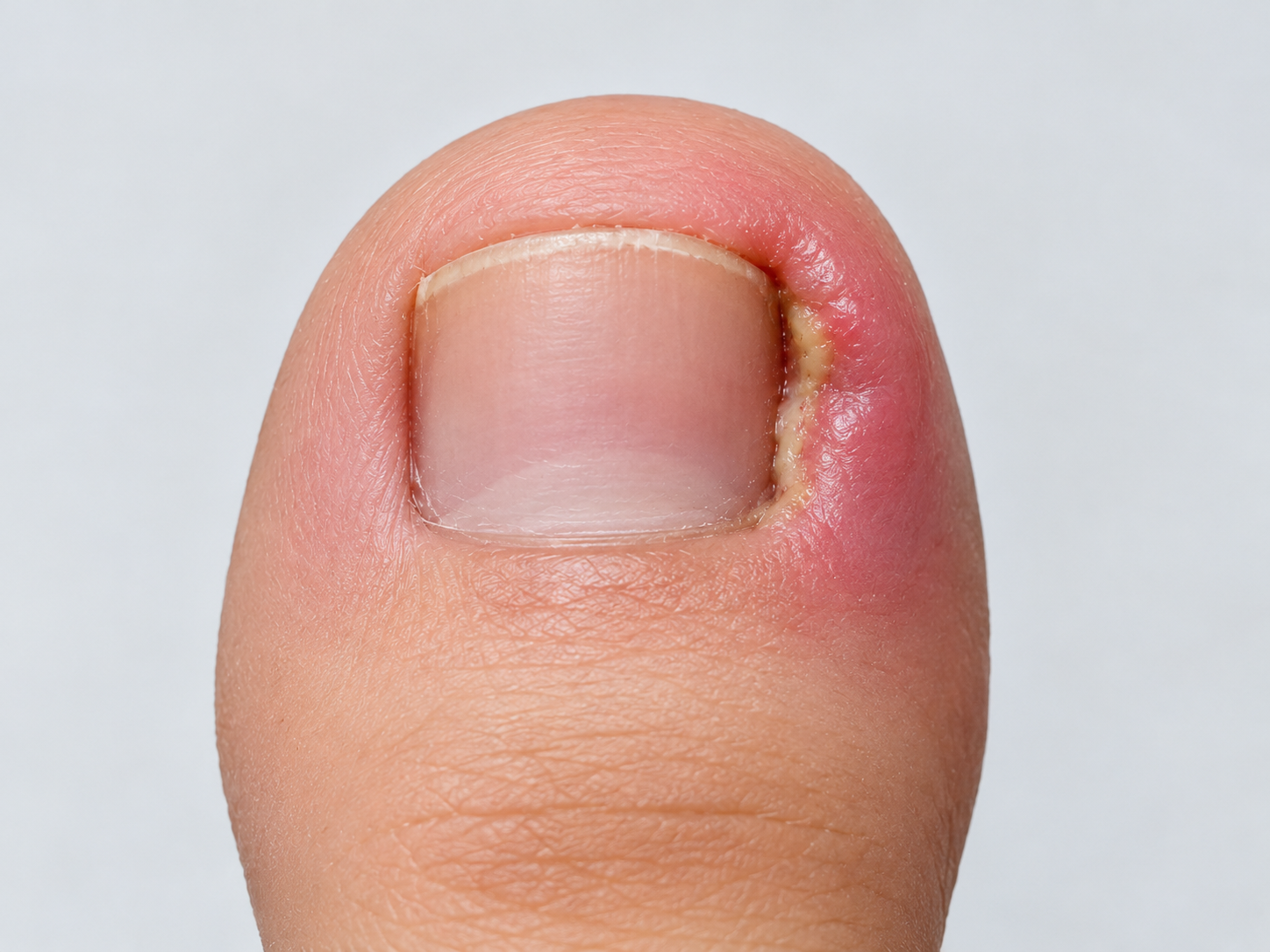
An ingrown nail occurs when the corner or side of a nail curves down and grows into the surrounding skin. It most often affects the big toe.
The pressure causes pain and swelling, and the broken skin can become infected. People with diabetes or poor circulation need extra care, because foot infections can become serious.
Ingrown toenail symptoms
Watch for:
- Pain and tenderness along the side of the nail
- Redness and swelling of the surrounding skin
- Pain when wearing shoes or when pressure is applied
- Pus or drainage, a sign of infection
- Overgrown, swollen skin at the nail edge
Get prompt care if you have
Especially important if you have diabetes or circulation problems:
- Spreading redness or red streaks up the foot
- Fever
- Pus with increasing pain
- Diabetes, nerve damage or poor circulation with any ingrown nail
What causes ingrown nails
- Cutting nails too short or rounded
- Lets the skin fold over the nail edge.
- Tight or narrow shoes
- Press the nail into the skin.
- Toe injuries
- Stubbing or repeated pressure from sports.
- Naturally curved nails
- Some people's nail shape makes ingrowing more likely.
Treating an ingrown toenail
Mild ingrown nails often settle with home care. If there's infection, a provider may recommend antibiotics. Recurring or severe ingrown nails may need a minor in-office procedure to remove part of the nail.
Home care
- Soak your foot in warm water for 10–20 minutes, 2–3 times a day
- Keep the area clean and dry between soaks
- Wear roomy shoes or open-toed sandals
- Take acetaminophen or ibuprofen for pain, if safe for you
- Don't dig into the nail or cut a V-shape into it
- Contact a provider if it isn't improving in 2–3 days or shows signs of infection
Is an online visit right for you?
Online care is often a good fit if you:
- Have a painful, red nail edge and want home-care advice
- Think it might be infected
- Want to know if you need a procedure
Get in-person care if you:
- Have diabetes, nerve damage or poor circulation
- Have spreading redness or fever
- Have ingrown nails that keep coming back
How PulseCareMD can help
A PulseCareMD visit lets a licensed provider review your symptoms, check for signs of infection and recommend home care, medicine or an in-person procedure. Your visit fee covers the consultation.
Describe your symptoms
Tell us how long it's hurt, whether there's pus and about your health history.
A provider reviews it
A licensed provider checks for infection and whether a procedure may be needed. Many visits are reviewed within 2–3 hours.
Get your care plan
Home care guidance, treatment if appropriate, or a referral.
Preventing ingrown nails
Most ingrown nails can be prevented:
Cut straight across
Don't round the corners or cut too short.
Wear shoes that fit
Leave room for your toes to move.
Protect your feet
Wear protective footwear for work or sports.
Check your feet
Especially daily if you have diabetes.
Frequently asked questions
When to get urgent care
Seek same-day in-person care if you have:
- Red streaks spreading up your foot or leg
- Fever with a painful toe
- Diabetes and signs of infection
- Darkening skin or numbness around the toe