
PulsecareMD
Start Visit
Services

Common Medical Conditions

  • Jock Itch
  • Acne (Women)
  • Genital Warts
  • Oral Thrush
  • Stye
  • Pink Eye
  • Ear Infection
  • Cold Sore
  • Urinary Tract Infection (UTI)
  • Upper Respiratory Infection (URI)
  • Dental Infection
  • Sinus Infection
  • Strep Throat
  • Sore Throat
  • Cold and Flu
  • Cough & Congestion
  • Abscess (Boil) Treatment
  • Rash
  • Ingrown Nail
  • Ingrown Hair
  • Eczema
  • Sinus & Nasal Congestion

STD/STI

  • Mycoplasma Treatment
  • Syphilis
  • Chlamydia
  • Gonorrhea
  • Chlamydia & Gonorrhea
  • Trich, Chlamydia, Gonorrhea
  • Trichomoniasis
  • Bacterial Vaginosis
  • Yeast Infection
  • Urethritis
  • Genital Herpes
View all services →
STDPrescription Refill
FAQsAbout Us
Contact Us
Sign InNew User
PulsecareMD

Conditions

  • Common Medical
  • STD / STI

Services

  • Prescription Refill

Popular

  • Blogs
  • FAQ
  • Contact Us
  • States We Serve
  • Privacy Policy
  • Terms of Use
  • Refund Policy
Verify Approval for www.pulsecaremd.com
© 2026 Pulsecaremd LLC. All rights reserved.
PulsecareMD is a registered trademark of Pulsecaremd LLC.
Privacy Policy | Terms of Use
  1. Home
  2. Services
  3. Ingrown Hair

Ingrown Hair

Ingrown Hair Treatment Online

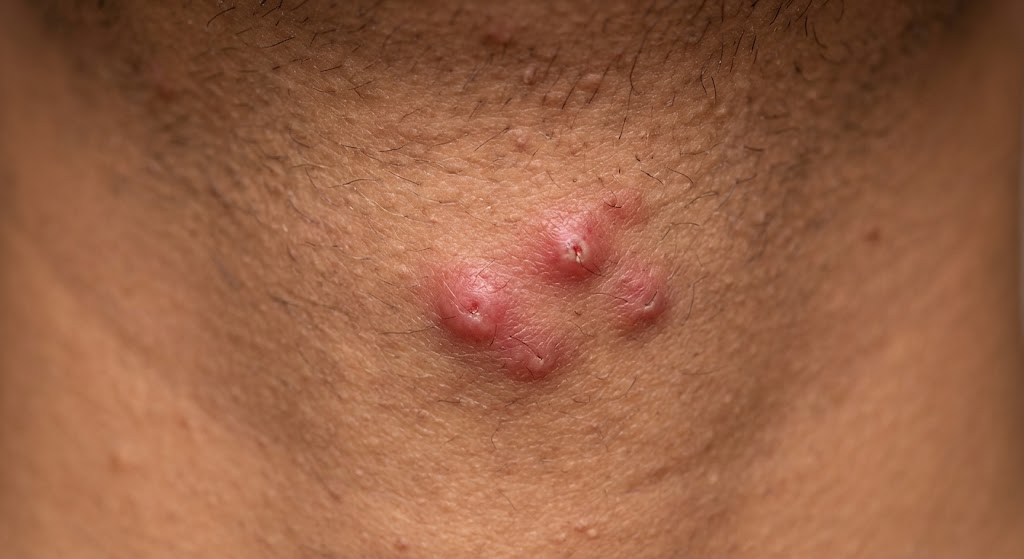
Ingrown hairs happen when a hair curls back into the skin after shaving, waxing or plucking, leaving red, itchy and sometimes painful bumps. They're especially common with curly or coarse hair. A PulseCareMD provider can recommend treatment and grooming changes that help.

$39.99online visit

Practical advice for stubborn razor bumps·No insurance required for your visit·Clear next steps from a licensed provider

Prevention tips
Ingrown Hair visit with a PulseCareMD provider
Every visit is reviewed by a licensed provider. Many are reviewed within 2–3 hours.

On this page

  1. What is an ingrown hair?
  2. Symptoms
  3. Treatment
  4. Is online care right for me?
  5. How PulseCareMD helps
  6. Prevention
  7. Related conditions
  8. FAQs

$39.99 visit fee

Your provider will explain your treatment plan.

01

What is an ingrown hair?

Cause
Hair growing back into the skin
Triggers
Shaving, waxing, plucking
Most effective fix
Changing hair removal habits
Can lead to
Infection, dark spots or scarring

An ingrown hair grows back into the skin instead of up and out. The skin treats it like a foreign object, causing inflammation and a red bump. In the beard area this is called pseudofolliculitis barbae, or razor bumps.

Ingrown hairs are most common where hair is removed often, such as the face, neck, armpits, legs and bikini area, and in people with tightly curled hair.

02

Ingrown hair symptoms

You may notice:

  • Small red or skin-colored bumps
  • Itching or tenderness
  • Pus-filled bumps that look like pimples
  • A visible hair trapped under the skin
  • Dark spots after bumps heal, especially on darker skin

Signs of infection

Contact a provider if you notice:

  • A bump that becomes a large, painful, swollen lump
  • Spreading redness or warmth
  • Fever

03

Treating ingrown hairs

Most ingrown hairs clear on their own once you stop removing hair from the area for a while. For persistent bumps, a provider may recommend creams to reduce inflammation and help the skin shed, or treatment for infection.

Treatments your provider may suggest
Treatment creamsYour provider recommends the right option
Laser hair removalA long-term option for frequent ingrown hairs, done in person

Gentle care for irritated skin

  • Pause shaving or waxing the area if you can
  • Apply warm compresses to soften the skin
  • Gently exfoliate with a washcloth
  • Don't pick or dig at hairs with tweezers or needles

04

Is an online visit right for you?

Online care is often a good fit if you:

  • Have frequent razor bumps or ingrown hairs
  • Have bumps that aren't improving with home care
  • Want prescription treatment options

Get in-person care if you:

  • Have a large, painful lump that may need draining
  • Have fever or spreading redness
  • Want laser hair removal

05

How PulseCareMD can help

A PulseCareMD visit lets a licensed provider review your symptoms and grooming routine and recommend treatment that fits your skin and hair. Your visit fee covers the consultation.

  1. 1

    Describe your symptoms

    Tell us where the bumps are, how you remove hair and what you've tried.

  2. 2

    A provider reviews it

    A licensed provider looks at your bumps and how you remove hair. Many visits are reviewed within 2–3 hours.

  3. 3

    Get your plan

    Your provider will explain your treatment plan, plus grooming tips.

06

Preventing ingrown hairs

Small changes to how you remove hair make a big difference:

  1. Shave with the grain

    In the direction the hair grows.

  2. Use a sharp, single-blade razor

    Or an electric trimmer that leaves a little stubble.

  3. Prep the skin

    Wet the skin with warm water and use shaving gel.

  4. Don't stretch the skin

    Pulling the skin tight lets hairs retract below the surface.

07

Related conditions

  • Abscess (Boil)Furuncle
  • Acne (Women)Acne vulgaris

08

Frequently asked questions

Many clear within a week or two once you stop removing hair from the area. Persistent bumps may need treatment.

Don't dig for it. If the hair is visible at the surface, you can gently lift the tip with clean tweezers, but don't pluck it out completely or break the skin.

Curly or coarse hair and frequent close shaving or waxing are the biggest factors. Changing your hair removal method usually helps the most.

Yes, especially on darker skin. Treating bumps early and avoiding picking reduces dark spots and scarring.

When to get prompt care

Seek in-person care if you have:

  • A rapidly growing, painful lump
  • Fever with spreading redness
  • Red streaks spreading from a bump

This page is general health information, not a diagnosis. A provider will assess your individual situation.

Tired of razor bumps?

Start an ingrown hair visit and get a treatment plan from a licensed provider.

$39.99 visit