What is eczema?
- Type
- Long-term, with flares and calmer periods
- Contagious?
- No
- Foundation of care
- Moisturizing every day
- Flares treated with
- Anti-inflammatory creams or ointments
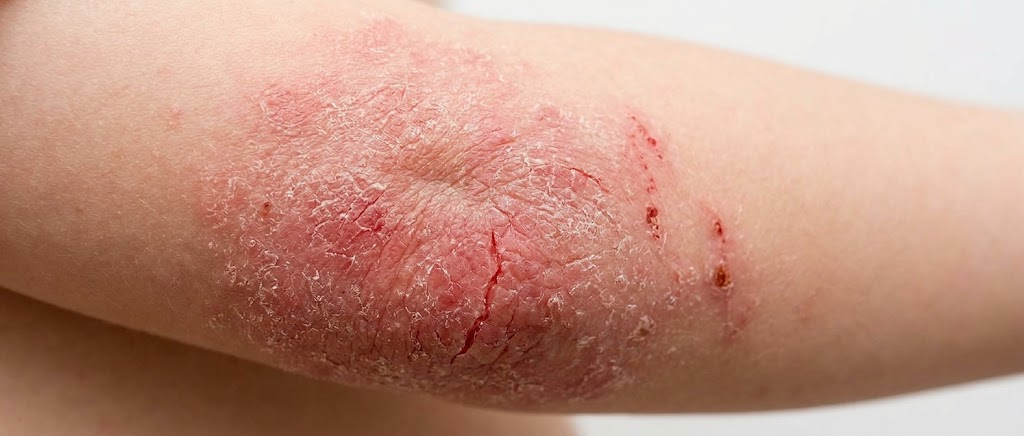
Eczema is a group of conditions that make skin itchy and inflamed. The most common type, atopic dermatitis, happens when the skin's protective barrier doesn't hold moisture well and the immune system overreacts to everyday irritants.
It often starts in childhood and can improve with age, but it can last into adulthood or appear for the first time later in life. It tends to run in families with asthma and hay fever.
Eczema isn't contagious, and it isn't caused by poor hygiene.
Eczema symptoms
Eczema looks different from person to person, but common signs include:
- Intense itching, often worse at night
- Dry, rough or scaly skin
- Red patches on lighter skin; brown, purple or gray patches on darker skin
- Thickened, leathery skin from repeated scratching
- Small bumps that may ooze and crust over
- Patches inside elbows, behind knees, or on hands, neck or face
Signs eczema may be infected
Contact a provider promptly if you notice:
- Yellow crusts, pus or weeping skin
- Skin that's increasingly painful, hot or swollen
- Clusters of painful blisters or punched-out sores, especially with fever. This needs same-day care.
Common eczema triggers
Triggers vary from person to person. Noting when flares happen can help you spot yours.
- Dry air and cold weather
- Low humidity pulls moisture from the skin.
- Hot showers and harsh soaps
- These strip the skin's natural oils.
- Fragrances and dyes
- Found in soaps, detergents, lotions and cosmetics.
- Rough fabrics
- Wool and some synthetics can irritate sensitive skin.
- Sweat and heat
- Overheating often sets off itching.
- Stress
- Flares often follow stressful periods.
- Allergens
- Dust mites, pet dander and pollen can trigger flares in some people.
- Skin infections
- Bacteria on the skin can worsen inflammation.
How eczema is diagnosed
There's no single test for eczema. It's diagnosed from how the skin looks, where the patches are, how itchy they are and your personal and family history of eczema, asthma or allergies.
Your provider will also consider look-alike conditions such as contact dermatitis, psoriasis and fungal infections. Patch testing or a dermatology referral may be suggested if an allergy is suspected or eczema is severe.
Treating eczema
Eczema care has two parts: daily skin care that repairs the barrier, and treatment that calms flares when they happen. Most people need both.
| Treatment creams | Your provider chooses the right strength and type |
|---|---|
| Advanced therapies | Injectable or oral medicines for moderate to severe eczema, usually managed by a dermatologist |
Used as directed, steroid creams are safe and effective. Your provider will explain how much to use, where and for how long.
Daily habits that protect your skin
- Moisturize at least once or twice a day with a thick, fragrance-free cream or ointment
- Apply moisturizer within a few minutes of bathing to lock in water
- Take short, lukewarm showers or baths
- Use a gentle, fragrance-free cleanser and pat skin dry
- Wear soft, breathable fabrics like cotton
- Keep nails short and use a cool compress when itching flares
Is an online eczema visit right for you?
Online care is often a good fit if you:
- Have a mild to moderate eczema flare
- Have been diagnosed with eczema and need a treatment plan
- Want to know whether your skin care routine is helping
- Can't get a dermatology appointment soon
Get in-person care if you:
- Have signs of infection, such as pus, fever or painful blisters
- Have eczema covering large areas of your body
- Have eczema around the eyes with eye pain or vision changes
- Haven't improved with treatment and may need a dermatologist
How PulseCareMD can help with eczema
When a flare hits, a PulseCareMD visit lets a licensed provider review your skin and history without a long wait for an appointment. Your visit fee covers the consultation.
Describe your skin
Tell us where the patches are, how they look, what triggers them and what you've tried.
A provider reviews it
A licensed provider looks at where your eczema flares and what has or hasn't worked. Many visits are reviewed within 2–3 hours.
Get a plan for your skin
Your provider will explain your treatment plan, plus daily care advice.
Frequently asked questions
When to get urgent care
Seek same-day care, or go to an emergency room, if you have:
- Painful clusters of blisters or sores with fever
- Rapidly spreading red, hot, painful skin
- Widespread skin peeling or blistering
- Eczema near the eye with eye pain or vision changes