
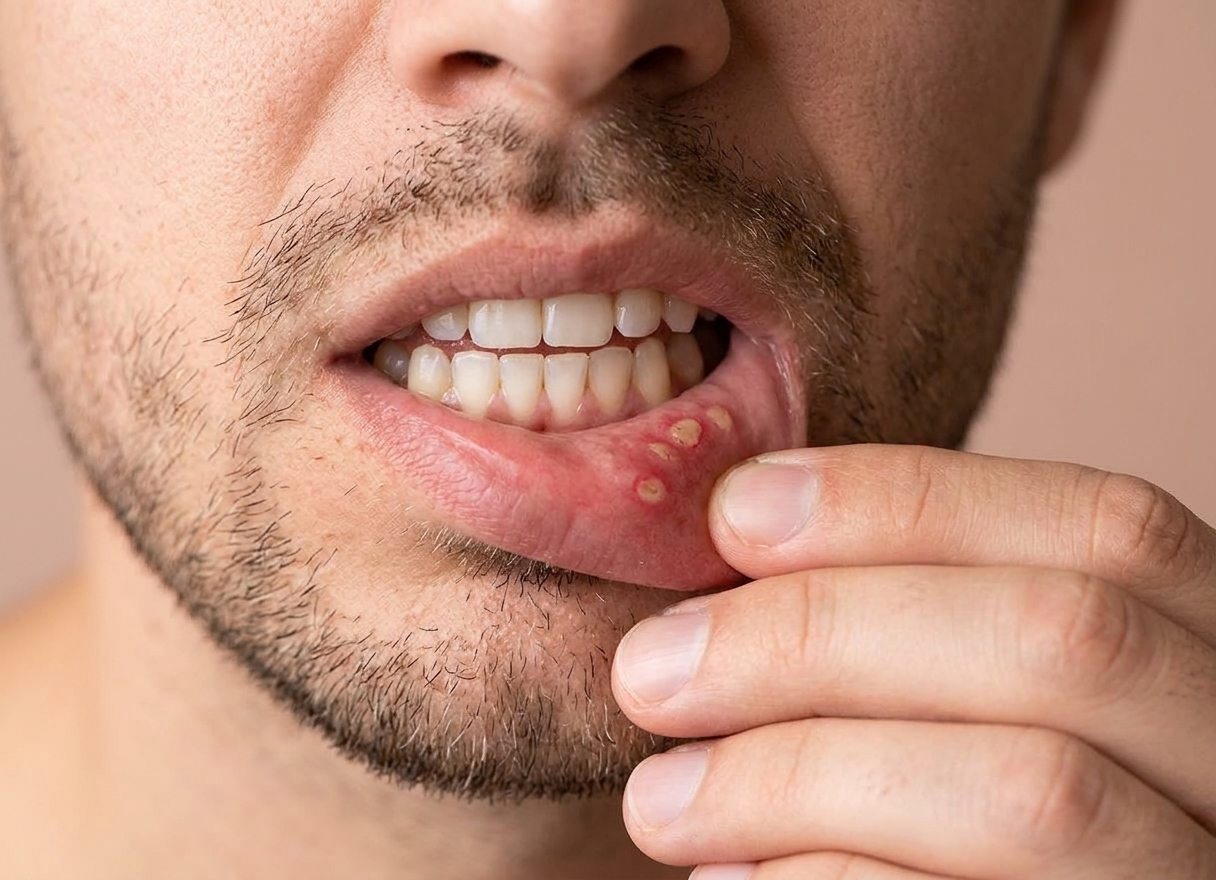
What is syphilis?
- Cause
- Treponema pallidum bacteria
- Early sign
- A painless sore, often unnoticed
- Diagnosed by
- Blood tests
- Recommended treatment
- An injection or a course of treatment
Syphilis is a bacterial infection caused by Treponema pallidum. You catch it by touching a syphilis sore, usually during vaginal, anal or oral sex.
Without treatment, syphilis moves through stages over months to years and can eventually damage the brain, nerves, eyes and heart.
The stages of syphilis
Symptoms change as syphilis progresses, and they can disappear even though the infection remains:
| Feature | What you might notice | When |
|---|---|---|
| Primary | A firm, round, usually painless sore where the bacteria entered | About 3 weeks after exposure (range 10–90 days) |
| Secondary | Rash, often on the palms and soles; fever, swollen glands, hair loss, mouth sores | Weeks after the sore heals |
| Latent | No symptoms, but the infection is still present | Can last for years |
| Tertiary | Damage to the heart, brain, nerves and other organs | Years to decades later, if untreated |
NoteSyphilis can affect the eyes, ears or nervous system at any stage. Vision changes, hearing loss or severe headache need urgent in-person care.
Signs to look out for
Early syphilis is easy to miss. See a provider if you notice:
- A painless sore on the genitals, anus, lips or mouth
- A rash, especially on the palms of your hands or soles of your feet
- Swollen glands, fever or feeling run down after a sore or rash
- Patchy hair loss or sores inside the mouth
Get urgent in-person care if you have
These can mean syphilis is affecting the eyes, ears or nervous system:
- Sudden vision changes or eye pain
- Hearing loss or ringing in the ears
- Severe headache, confusion or weakness
How syphilis is diagnosed
Syphilis is diagnosed with blood tests. Two types of test are used together to confirm the infection and track response to treatment.
Because a sore or rash can't confirm syphilis on its own, testing is essential. If you've had a positive result, share it in your visit.
Treating syphilis
Syphilis is curable. Treatment stops the infection from progressing, but it can't undo damage that has already happened, which is why early treatment matters.
Later-stage syphilis needs a longer course. Your provider will explain what's appropriate and where to get an injection if it's recommended.
After treatment
- Avoid sex until sores have fully healed and your partners have been treated
- Get follow-up blood tests at 6 and 12 months to confirm treatment worked
- Some people get fever, chills and aches within a day of treatment. This usually passes within 24 hours.
Is an online syphilis visit right for you?
An online visit can help if you:
- Have a positive syphilis test and need next steps
- Were told a partner has syphilis
- Want confidential advice about a sore or rash
Get in-person care if you:
- Have vision, hearing or nerve symptoms
- Need an injection
How PulseCareMD can help
A PulseCareMD visit is a confidential first step if you're worried about syphilis. Your provider can review your symptoms or results, explain recommended treatment and what's available to you, and help you plan testing and follow-up. Your visit fee covers the consultation.
Share your situation
Describe any sore or rash, when you were exposed and any blood test results.
A provider reviews it
A licensed provider reviews your results and stage to plan treatment. Many visits are reviewed within 2–3 hours.
Get your next steps
Guidance on treatment, follow-up testing and protecting your partners.
Frequently asked questions
When to get emergency care
Go to the nearest emergency room if you have:
- Sudden vision loss or eye pain
- Sudden hearing loss
- Severe headache with stiff neck, confusion or weakness