
What is urethritis?
- Main causes
- Gonorrhea, chlamydia, Mycoplasma genitalium
- Key symptoms
- Burning when urinating, discharge
- Diagnosed by
- Urine or swab testing
- Treatment
- Antibiotics matched to the cause
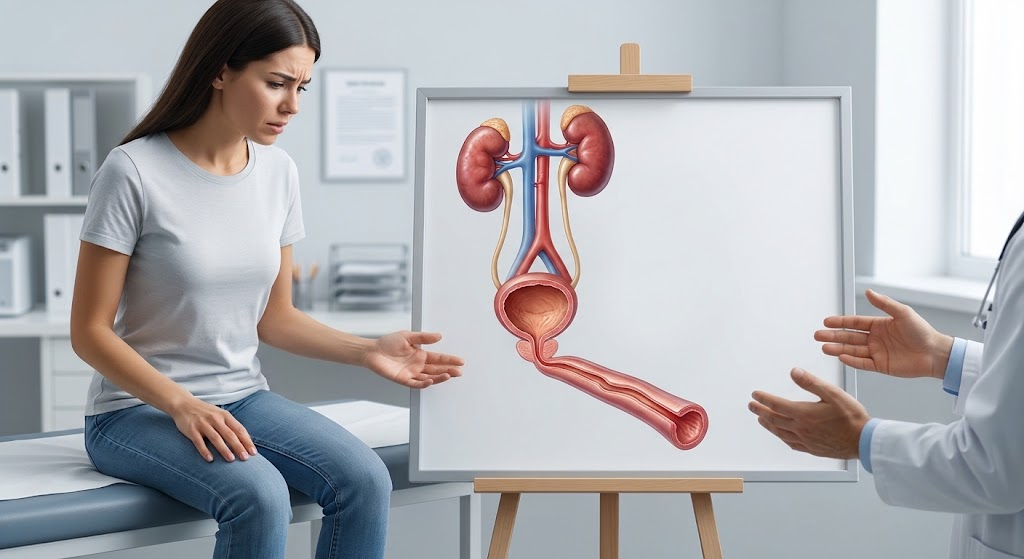
Urethritis means the urethra is inflamed. It's diagnosed most often in men, where it usually signals an STI. It also occurs in women, often alongside cervicitis.
Doctors divide it into gonococcal urethritis, caused by gonorrhea, and nongonococcal urethritis (NGU), caused by chlamydia, Mycoplasma genitalium, trichomoniasis or other germs. In about half of NGU cases, no specific cause is found.
Urethritis symptoms
Some people have no symptoms. When they do, they include:
- Burning or pain when urinating
- Itching or irritation at the tip of the penis
- Clear, cloudy, white or yellow discharge
- Needing to urinate more often
Get seen promptly if you have
These can mean the infection has spread or something else is going on:
- Testicular pain or swelling
- Fever or back pain
- Blood in your urine or semen
What causes urethritis?
Testing identifies the cause, which guides treatment:
| Feature | How common | Notes |
|---|---|---|
| Gonorrhea | Common | Discharge is often heavy and yellow-green |
| Chlamydia | The most common identified cause of NGU | Symptoms often mild |
| Mycoplasma genitalium | About 10–25% of NGU | A common cause of symptoms that persist after treatment |
| Trichomoniasis | About 1–8% of NGU | More likely in some regions and populations |
| Irritation | Less common | Soaps, spermicides or injury can inflame the urethra |
How urethritis is diagnosed
Urethritis is diagnosed from symptoms and testing. A first-catch urine sample or swab is tested for gonorrhea and chlamydia, and sometimes for Mycoplasma genitalium and trichomoniasis.
If you've had test results elsewhere, share them in your visit.
Treating urethritis
Treatment depends on the cause. When test results aren't back yet, providers often treat based on the most likely causes.
| Persistent symptoms | Testing for Mycoplasma genitalium and trichomoniasis, with targeted treatment |
|---|
Your provider matches treatment to the likely cause, and tells you where to go if an injection is needed.
During and after treatment
- Hold off on sex until both you and your partners finish treatment and the burning or discharge has cleared
- Make sure recent partners are tested and treated
- Contact a provider if symptoms persist or return
Is an online urethritis visit right for you?
Online care is often a good fit if you:
- Have burning or discharge after a possible exposure
- Have positive test results to review
- Have a partner diagnosed with an STI
Get in-person care if you:
- Have testicular pain or swelling
- Have fever or back pain
- Still have symptoms after treatment
How PulseCareMD can help
A PulseCareMD visit lets a licensed provider review your symptoms confidentially, guide testing and recommend treatment. Your visit fee covers the consultation.
Describe your symptoms
Answer private questions about symptoms, exposures and any results.
A provider reviews it
A licensed provider reviews the likely causes and which tests you need. Many visits are reviewed within 2–3 hours.
Get your next steps
Your provider will explain your treatment plan, plus testing and partner guidance.
Frequently asked questions
When to get emergency care
Go to the nearest emergency room if you have:
- Sudden, severe testicular pain
- High fever with back pain or vomiting
- Inability to urinate