
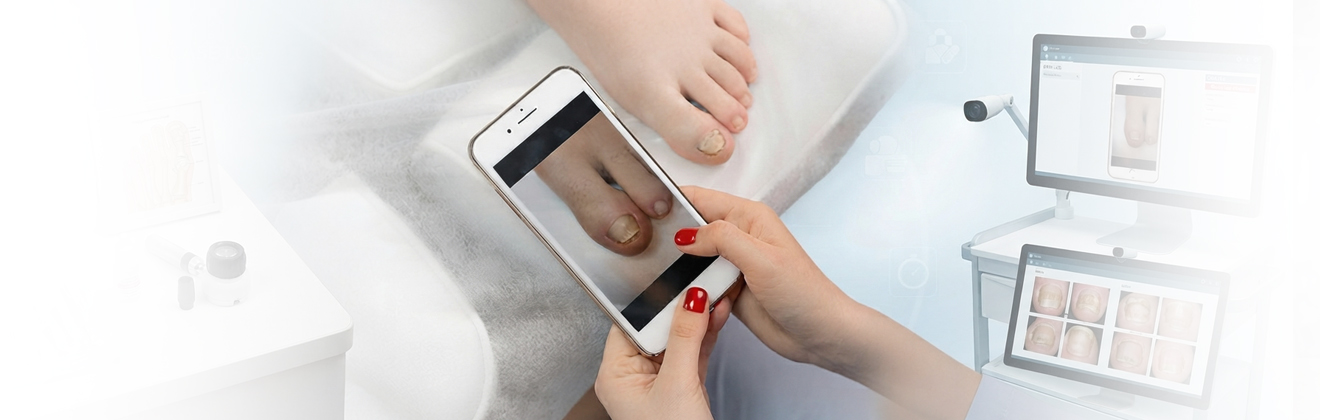
An ingrown nail can turn a small nail problem into a painful daily inconvenience. Online ingrown nail treatment provides patients with a flexible way to discuss symptoms with a licensed healthcare professional.
Ingrown toenails develop when the edge of a nail grows into the surrounding skin. It most commonly affects the big toe and causes pain, redness, swelling, and tenderness. In some cases, the area can become infected.
An ingrown nail may seem minor at first. However, continued pressure from shoes or repeated irritation can make symptoms worse. If infection develops, the toe may become increasingly painful and swollen.
For uncomplicated cases, conservative care may be appropriate. More severe cases require an in-person examination or a procedure to remove part of the nail. The right approach depends on the severity of the problem and the patient's overall health.
An ingrown toenail occurs when the edge of the nail grows into nearby skin instead of growing forward normally.
The big toe is affected most often, although an ingrown nail can develop on other toes.
The surrounding skin may become:
Some people notice discomfort mainly when wearing shoes or walking. Others may feel pain even when the toe is not being touched.
Healthcare experts explain that an ingrown toenail occurs from poorly fitting shoes. Improper trimming, pressure, or injury can damage the natural shape of the nail.
Several factors can contribute.
Other contributing factors may include:
Understanding the likely cause can help prevent future problems.
Symptoms often begin around one edge of the nail.
If infection is suspected, professional medical evaluation becomes more important.
Accurate information can help healthcare experts assess your symptoms.
These conditions can change how foot problems should be managed.
Shoes can significantly affect an ingrown toenail.
Tight shoes compress the toes. If the nail edge is already pressing into the skin, additional pressure may increase discomfort.
Choose shoes with enough room around the toes.
Avoid footwear that squeezes the front of the foot.
During an active problem, comfortable footwear may reduce pressure on the affected nail.
Once the toe heals, continuing to use properly fitting shoes will help lower the chance of recurrence.
Nail trimming technique matters.
Healthcare experts specifically advise stopping trying to cut out the ingrown portion yourself.
It may be tempting to pull at the nail edge.
However, picking can injure the surrounding skin. Small breaks in the skin can increase irritation and may create an opportunity for infection.
Avoid digging into the nail with sharp objects.
Seek medical help if the nail is deeply embedded or repeatedly causes problems. A healthcare professional can determine whether additional treatment is necessary.
A badly ingrown nail may not improve with conservative measures.
A healthcare professional may refer the patient to a foot specialist. In some cases, part of the nail can be removed.
PulseCareMD describes partial nail avulsion as a procedure. In this process, the ingrown portion is removed after the toe is numbed.
The exact procedure depends on the severity and recurrence of the problem.
Patients should not attempt nail removal themselves.
Some people experience repeated ingrown nails.
Recurrence may happen when the nail shape naturally causes the edge to press into the surrounding skin.
Repeated problems may require a more permanent treatment approach.
A healthcare professional can assess the nail and discuss available options.
Preventive measures remain important even after treatment.
Prevention begins with simple foot-care habits.
If you repeatedly develop ingrown nails, discuss the problem with a healthcare professional.
People with diabetes need to be especially careful with foot problems.
An apparently small injury can become more serious when circulation or sensation is affected.
People with diabetes, circulation problems, or nerve problems involving the leg or foot should be more careful. Contact a healthcare provider rather than attempting home treatment.
We also recommend medical evaluation for people with diabetes who develop an ingrown toenail.
Do not delay professional care because the problem initially appears minor.
Online healthcare provides a convenient first step for patients who want to discuss a painful nail problem.
During a consultation, the clinician can review symptoms and medical history. If appropriate, the clinician may recommend conservative care.
If the problem appears too severe for remote management, an in-person evaluation can be recommended.
For appropriate cases, PulseCareMD provides an online way for patients to share health information with licensed healthcare professionals.
A clinician reviews the information and determines whether the condition may be managed remotely or requires an in-person evaluation.
The goal is not to replace physical examination when it is needed. Instead, online healthcare can offer a convenient starting point for appropriate concerns.
An ingrown nail can cause considerable discomfort, especially when walking or wearing shoes. Mild cases respond to appropriate conservative care. But severe or infected nails may require professional treatment.
Online healthcare makes it easier to discuss symptoms with a licensed clinician and determine the appropriate next step. Patients with diabetes, significant swelling, pus, severe pain, or worsening symptoms should seek timely medical evaluation.
Good nail care and properly fitting footwear can also reduce the risk of future problems.